


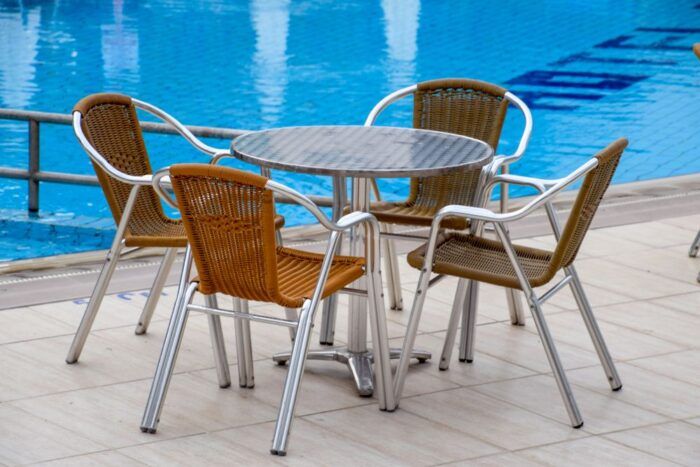
Packing away summer is never fun. The days get shorter, the evenings get colder, and suddenly you’re looking at your patio setup wondering what to do with it all. One of the most common questions homeowners ask is: Can aluminum patio furniture be left outside in winter?
It’s a good question, because nobody wants to drag an entire dining set into an already packed garage if it isn’t necessary. The good news is that aluminum is one of the most durable materials for outdoor furniture, so yes, in most cases, it can stay outside during the cold months. But before you leave it exposed to snow, ice, and wind, it’s worth knowing how winter weather can affect aluminum patio furniture and what you can do to protect it. If you’re looking for stylish and durable outdoor furniture in Bucks County homeowners trust, you’ll find plenty of options to create the perfect backyard retreat.
Why Aluminum Patio Furniture Is So Popular
Aluminum is one of the top choices for outdoor furniture because it’s strong, stylish, and naturally resistant to many of the elements that wear down other materials. Unlike iron or standard steel, aluminum does not rust. Instead, it forms a protective layer of aluminum oxide that shields the metal beneath. That makes aluminum furniture an excellent long-term investment.
Another big benefit is its weight. Aluminum is easy to move, rearrange, and store compared to heavier materials like teak or wrought iron. Patio chairs and tables made from aluminum can be set up quickly for a gathering, and when it’s time to think about winter storage, moving them is less of a hassle.
There are two main types of aluminum patio furniture:
- Hollow-tube aluminum: Lightweight, affordable, and versatile. Best for casual patio sets but more vulnerable to bending if heavy snow accumulates.
- Cast aluminum: Heavier, solid, and often more decorative. These pieces resist wind better and tend to last longer in harsh conditions.
No matter which type you own, aluminum’s durability makes it one of the best outdoor furniture choices. But just because the frame won’t rust doesn’t mean it’s totally safe from winter damage. Upgrade your backyard with high-quality patio furniture in NJ residents love for both comfort and style.
What Happens If You Leave Aluminum Patio Furniture Outside in Winter
Aluminum patio furniture is strong, but winter brings unique challenges. Here’s what you need to watch out for:
1. Freeze–Thaw Cycles
Moisture can seep into small joints, welds, and crevices in aluminum furniture. When temperatures drop, that water freezes and expands, which puts stress on the structure. Over time, this freeze–thaw cycle can cause cracks in the finish and weaken connections.
2. Heavy Snow and Ice Loads
A light dusting of snow isn’t a big deal, but a heavy, wet snowstorm can put serious weight on your tables and chairs. Lightweight aluminum frames can bend or warp under the pressure. Cast aluminum handles this better, but no furniture is immune to damage from several feet of snow.
3. Strong Winter Winds
Aluminum’s lightweight design is great for portability, but it also means chairs and tables are more likely to blow around in high winds. A gusty storm can dent frames, break glass tabletops, and even damage nearby siding or fencing.
4. Damage to the Finish
Most aluminum furniture has a powder-coated finish for color and protection. Winter elements—freezing rain, flying debris, and even UV rays reflecting off snow—can cause chipping, peeling, and fading. Once the finish is compromised, the aluminum may oxidize, leaving a chalky white residue.
So while the frame won’t rust away, winter can still leave your outdoor furniture looking worse for wear if you don’t prepare it properly.
How Aluminum Compares to Other Patio Furniture Materials
Wondering how aluminum stacks up against other popular outdoor furniture materials in winter?
Here’s a quick comparison:
- Teak: Extremely durable and naturally weather-resistant, but expensive and heavy.
- Resin wicker: All-weather versions can handle moisture but may crack in freezing temperatures.
- Steel: Strong and wind-resistant, but prone to rust if coatings wear down.
- HDPE (high-density polyethylene): Virtually indestructible and requires little maintenance, but heavy and less traditional in appearance.
Aluminum strikes a balance between durability, low maintenance, and affordability. With proper care, it holds up well against winter conditions.
How to Protect Aluminum Patio Furniture in Winter
If storing your entire set indoors isn’t an option, don’t worry—you can still leave it outside as long as you take a few steps to protect it.
Clean Before Storing
Start by giving your patio furniture a good cleaning. Use mild soap and water to remove dirt, pollen, food stains, and bird droppings. Rinse thoroughly and let everything dry completely before covering. Trapped moisture can cause mold and damage the finish.
Check for Damage
Inspect the frames for scratches, chips, or worn spots in the powder coating. Touch-up paint pens are available from most manufacturers and can seal exposed areas before winter sets in.
Use Quality Patio Furniture Covers or Shrink Wrap
Cheap plastic tarps aren’t enough. They trap moisture and can blow away in the wind. Instead, invest in fitted patio furniture covers made from heavy-duty, waterproof, and breathable fabric. Breathability prevents condensation from building up underneath, which protects your aluminum furniture all winter long. You can also consider shrink wrapping which is a method that envelops the entire set of furniture completely protecting it from the elements.
Choose a Protected Location
Even if you leave your aluminum patio furniture outdoors, placement matters. Push it up against the side of your house, tuck it under a deck, or cluster pieces together to create a stable group. This reduces wind exposure and helps your covers stay in place.
Always Store Cushions Indoors
No matter what you do with the frames, cushions should never stay outside during the winter. They absorb moisture, attract pests, and quickly develop mold and mildew. Clean them according to the manufacturer’s instructions and store them in a dry place inside your home, basement, or storage bin.
Mid-Winter Maintenance
After a big snowstorm, take a few minutes to brush heavy snow off your covered furniture. This prevents excessive weight from bending frames or stressing joints.
Is It Better to Store Aluminum Furniture Indoors?
The best protection for aluminum patio furniture is indoor storage. A garage, shed, or basement eliminates the risks of snow, ice, and wind altogether. If you have space, this is the safest choice. But many homeowners don’t have that luxury. If you can’t bring everything inside, consider a hybrid approach: store smaller pieces like chairs or side tables indoors and leave larger tables or loungers outside under quality covers. This reduces the number of items exposed to the harshest conditions while saving space.
Final Thoughts: Can Aluminum Patio Furniture Be Left Outside in Winter?
The answer is yes—aluminum patio furniture can be left outside in winter, but with a few precautions. The metal itself won’t rust, which gives it an advantage over other materials. However, heavy snow, wind, and freezing moisture can still cause wear and tear if you don’t take steps to protect your set. By cleaning it, inspecting it for damage, moving it to a sheltered location, and covering it properly, you can keep your outdoor furniture in excellent shape all season long. And don’t forget—cushions always go inside.
Taking an hour or two in the fall to prepare your aluminum patio furniture will save you from costly repairs or replacements in the spring. With the right care, your set will be waiting for you, ready to enjoy as soon as the warm weather returns.